What Is GambleFi? How DeFi Is Reshaping Online Gambling
Complete guide to GambleFi - the intersection of DeFi and gambling. Learn how token staking, revenue sharing, and governance are transforming crypto casinos.
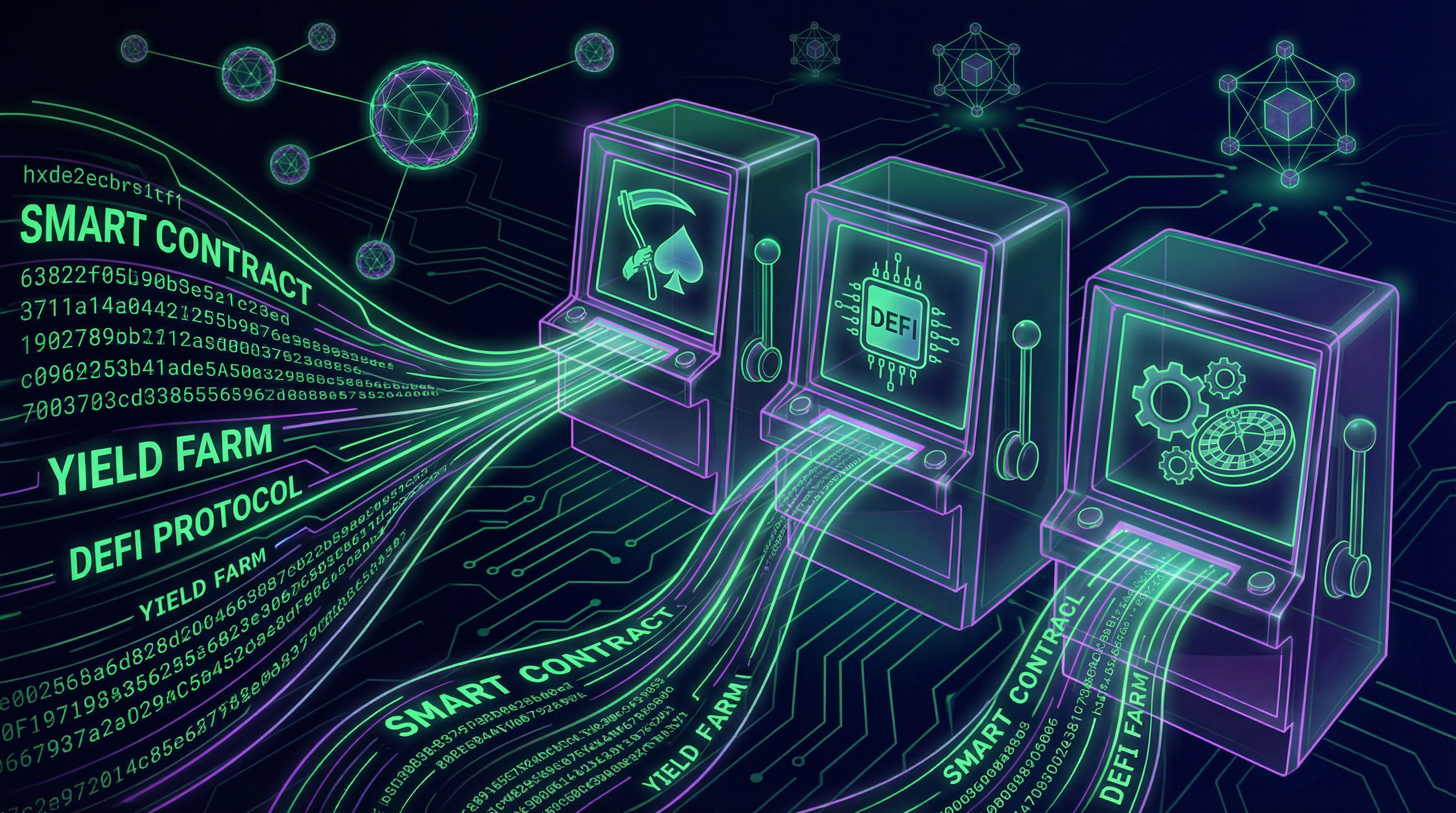
The convergence of Decentralized Finance (DeFi) and gambling has created a new category called GambleFi. While traditional crypto casinos are built on centralized platforms that accept cryptocurrency, GambleFi takes a fundamentally different approach by applying DeFi principles to online gambling.
This shift represents the next evolution in crypto gaming - moving from centralized crypto casinos to decentralized platforms where players can own stakes in the protocol, earn yields, and participate in governance.
What Is GambleFi?
GambleFi is the intersection of DeFi protocols and gambling platforms. It combines:
- Decentralized protocols - Built on blockchain instead of traditional servers
- Tokenomics - Native tokens that incentivize participation and generate yield
- Liquidity pools - Player funds staked collectively to create betting capacity
- Governance - Token holders vote on protocol decisions
- Revenue sharing - Players can earn yields from casino profits
How Traditional Crypto Casinos Compare to GambleFi
| Aspect | Traditional Crypto Casino | GambleFi |
|---|---|---|
| Operator | Centralized company | Decentralized protocol |
| Ownership | Company owns platform | Token holders own protocol |
| Revenue | Company keeps all profits | Shared with token holders |
| Governance | Company decides features | Token votes determine direction |
| Token Purpose | Usually none | Liquidity, governance, yields |
| Player Earning | Rakeback only | Rakeback + staking rewards |
| Trust Model | Trust the company | Trust the smart contract |
| Regulation | Operates in gray area | Even less regulated |
Core DeFi Mechanics in GambleFi
Liquidity Pools and Automated Market Makers (AMMs)
GambleFi platforms use liquidity pools instead of a centralized casino bank.
How it works:
- Token holders deposit funds into liquidity pools
- Players place bets against the pool rather than "the house"
- Profitable player bets are paid from the pool
- Losing bets add to the pool
- Liquidity providers earn yields from the difference
Risk: If many players win simultaneously, the pool can be drained (impermanent loss).
Token Staking and Yield Farming
GambleFi tokens reward participants for locking capital into the protocol.
How staking works:
- Hold the protocol's native token
- Stake it in a designated smart contract
- Earn yields from protocol revenue
- Yields typically 10-40% annually (varies by platform)
- Percentage of player losses (house edge)
- Protocol transaction fees
- Token inflation (minted new tokens as rewards)
- Partnership revenue
Governance Tokens
Most GambleFi platforms issue governance tokens that grant voting power.
Voting power enables decisions on:
- Fee structures and commission splits
- Which games to launch
- Liquidity pool parameters
- Treasury spending
- Token emission schedules
- Partnership approvals
Revenue Sharing Models
GambleFi redistributes casino profits in multiple ways:
1. Direct Rake Sharing
- Casinos traditionally take 2-5% rake (house edge)
- GambleFi protocols split this rake between liquidity providers and token stakers
- A protocol might distribute 50% rake to liquidity providers, 50% to stakers
- Protocol uses profits to buy back and burn native tokens
- Reduces token supply, potentially increasing token value
- Rewards long-term holders
- Protocol issues dividends in stablecoin to token holders
- Based on profits generated
- More predictable than token price appreciation
- Direct payments to those providing capital to betting pools
- Usually percentage-based (e.g., 5% of your provided capital annually)
GambleFi Ecosystem Diagram
Major GambleFi Projects and Tokens
Established GambleFi Projects
BetterLuck (LUCK)
- Decentralized sports betting and casino platform
- Native token used for staking and governance
- Offers 8-12% staking APY
- Prediction market platform with DeFi mechanics
- Prediction markets on sports, politics, crypto
- Community governance through POLY tokens
- Liquidity protocol used by multiple GambleFi platforms
- Enables dynamic liquidity pools
- Rewards liquidity providers
- Lending protocol increasingly used to fund GambleFi platforms
- Allows borrowing stablecoins against collateral
- GambleFi protocols can use borrowed capital
Emerging GambleFi Tokens
Several new GambleFi projects launched in 2024-2025, each with different mechanics:
- Moonshot - Prediction betting with yield farming
- PlayFi - Gaming-focused DeFi with gambling integration
- VaultFi - Liquidity vault for betting pools
- StakePlay - Combines staking rewards with casino games
GambleFi vs Traditional Crypto Casinos
Advantages of GambleFi
1. Revenue Sharing
- Earn yields from casino profits instead of just rakeback
- Potential for 15-30% annual yields on staked tokens
- Aligns protocol incentives with players
- No single company controls the platform
- Community governance prevents arbitrary changes
- More transparent decision-making
- GambleFi tokens can interact with other DeFi protocols
- Stake GambleFi tokens in other platforms
- Create sophisticated yield strategies
- Token holders own part of the protocol
- Token appreciation benefits early participants
- No central authority can shut down the protocol
Disadvantages of GambleFi
1. Smart Contract Risk
- Bugs in smart contracts can drain pools
- Hacks more damaging since funds are directly at risk
- Even audited contracts aren't completely risk-free
- If pool capital drains, bets may not be paid immediately
- Impermanent loss for liquidity providers
- Potentially catastrophic if large players win simultaneously
- GambleFi is even less regulated than centralized crypto casinos
- Token regulation unclear in most jurisdictions
- Potential for crackdowns
- GambleFi tokens have no intrinsic value beyond yield expectations
- Token price volatility compounds gambling losses
- Many GambleFi tokens have failed or lost 90%+ of value
- Understanding DeFi mechanics requires significant education
- Gas fees and smart contract interactions more expensive
- Higher barrier to entry vs traditional casinos
GambleFi Token Investment Considerations
GambleFi tokens are speculative investments, not casino bonuses. Before buying:
Evaluate the Protocol
- Tokenomics - What percentage of revenue goes to token holders?
- Governance - Do token holders have real control or is it performative?
- Liquidity - Is the betting pool sufficiently capitalized?
- Team - Who developed and maintains the protocol?
- Track record - How long has it operated? Any hacks or failures?
Understand Your Yield Sources
Where are staking rewards coming from?
- Actual protocol revenue (sustainable)
- New token issuance (eventually inflates away)
- External partnerships (temporary)
Calculate Real Returns
A token with 20% APY sounds great until:
- Token price drops 50% (your actual return: -40%)
- Token inflation dilutes your holdings
- Staking becomes unprofitable as APY drops
Be Wary of Hype
New GambleFi tokens often pump on speculation, then crash when they fail to deliver promised returns. Many launched tokens from 2023-2024 have failed.
How GambleFi Relates to Rakeback
Traditional rakeback (5-30% of losses returned) is complementary to GambleFi yields:
Traditional Casino Rakeback:
- Direct return on your losses
- No additional investment required
- 5-30% of losses returned
- Return on staked capital
- Requires token investment
- 10-40% APY on staked tokens
- Play at a crypto casino with good rakeback
- Stake GambleFi tokens earning yields from the same casino
- Combine rakeback + staking yields
Future Outlook for GambleFi
Near-term (2026-2027)
- More traditional casinos add DeFi token mechanics
- Better liquidity pool designs to prevent drains
- Integration with other DeFi protocols improves
- Regulatory clarity will force changes
Medium-term (2027-2030)
- Successful GambleFi platforms may rival traditional online casinos
- Potential for real mainstream adoption
- Better onboarding for non-crypto users
- Consolidation around best-performing protocols
Long-term (2030+)
- Gambling could become a significant DeFi use case
- Cross-chain GambleFi protocols
- Integration with Web3 gaming
- Potential regulatory frameworks established
GambleFi vs Traditional Casinos
Why Casinos Are Adopting GambleFi
- Player acquisition - Token incentives attract crypto-native users
- Liquidity - Token rewards attract capital without casino risk
- Differentiation - DeFi mechanics distinguish from competitors
- Profitability - Better economics than traditional structures
Why Players Choose GambleFi
- Yields - Earn returns beyond rakeback
- Ownership - Token holders control protocol direction
- Transparency - Smart contracts audit-verifiable
- Decentralization - No single entity controls your funds
FAQ
Q: Is GambleFi gambling or investing? A: It's both. Staking for yields is investing; placing bets is gambling. Most GambleFi projects are classified as gambling because of their betting mechanics.
Q: Can I make money with GambleFi? A: Yes, through staking yields (if sustainable). However, gambling losses will likely exceed staking gains for most players. The house edge still applies.
Q: Are GambleFi tokens safe investments? A: No. They're speculative and high-risk. Many have failed or lost 90%+ of value. Only invest capital you can afford to lose completely.
Q: What's the difference between GambleFi and DeFi? A: DeFi is decentralized finance broadly. GambleFi is DeFi specifically applied to gambling. All GambleFi is DeFi, but not all DeFi is GambleFi.
Q: Can I lose money staking GambleFi tokens? A: Yes. If token price drops more than yields earned, you lose money. If the protocol fails, you lose everything.
Q: Is GambleFi more or less regulated than crypto casinos? A: Even less regulated. It's an emerging category with minimal oversight. Regulatory crackdowns are possible.
Q: Should I stake GambleFi tokens while gambling? A: Only if you understand both the staking risks and gambling risks independently. Combining them multiplies risk.
Q: What's the best GambleFi token to invest in? A: There's no single answer. Research protocols thoroughly, understand tokenomics, and only invest what you can afford to lose. Many GambleFi tokens fail.
The Bottom Line
GambleFi represents an evolution in crypto gambling, applying DeFi principles to create more transparent, decentralized gambling platforms. The potential for revenue sharing and community governance is attractive compared to traditional casinos.
However, GambleFi adds complexity, risk, and regulatory uncertainty. For most players, starting with traditional crypto casinos offering good rakeback is safer and simpler than navigating GambleFi token mechanics.
If you want to maximize casino profits the traditional way, check out RakeDaddy for the best crypto casinos with transparent rakeback rates. We help you find casinos with honest, sustainable yields - no speculative tokens required.
Ready to Start Earning Rakeback?
Sign up for free and start collecting crypto on every bet you place.
Create Free Account →